CARICOM divided as Trinidad votes against UN resolution on Cuba embargo
Key Points(5)
- Jamaica was among 25 countries that abstained from Wednesday’s United Nations General Assembly vote on a resolution condemning the United States’ economic embargo against Cuba, marking a shift in the country’s longstanding position on the issue.
- Book Beach Resorts The other countries that abstained included Germany, Italy and Latvia, which, along with several other Western countries, refrained from voting for the first time in the 34-year history of the annual resolution.
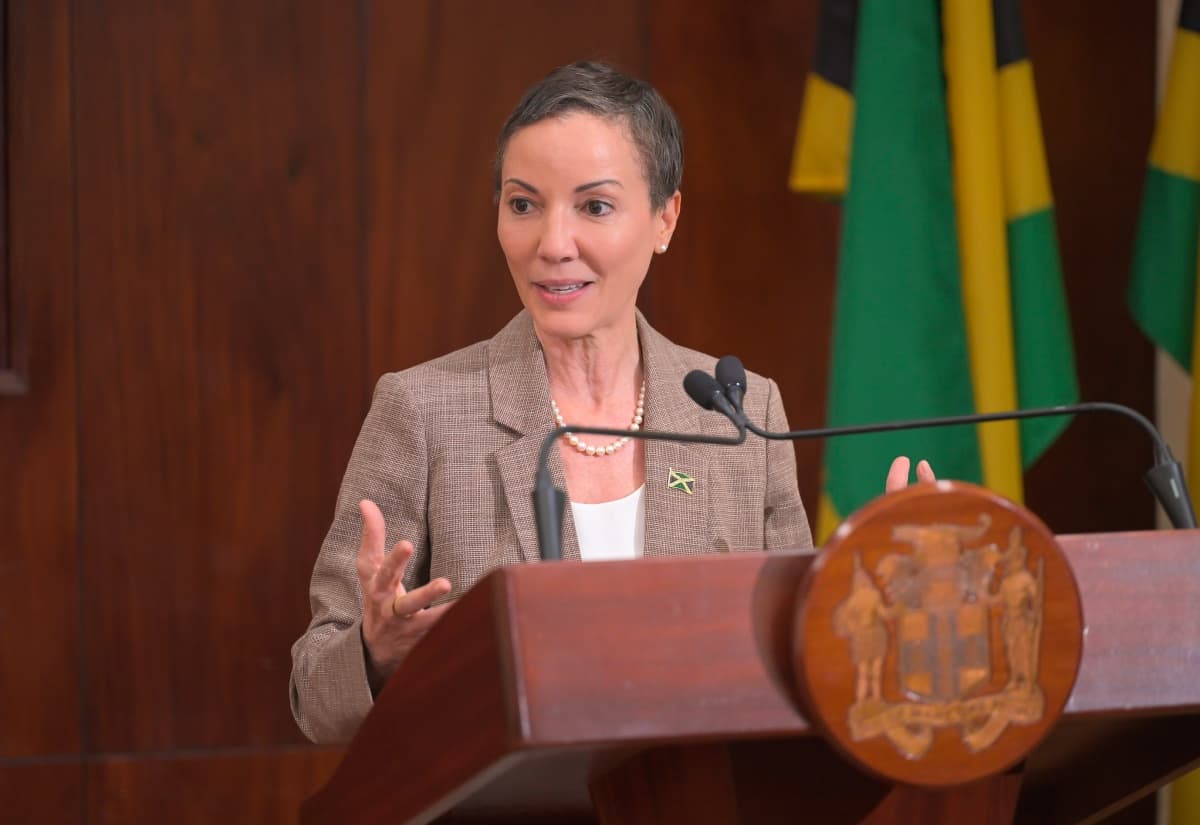
- Jamaica’s Foreign Affairs and Foreign Trade Minister Kamina Johnson Smith announced Jamaica’s decision at Wednesday’s post-Cabinet press briefing, explaining that the Government had been reflecting on the matter for some time.
- She said the decision represented a shift in policy, while emphasising that Jamaica remained concerned about the worsening humanitarian situation in Cuba and supported dialogue between Washington and Havana.
- “We have been reflecting on this issue for some time, as it is a shift in policy,” Johnson Smith said.
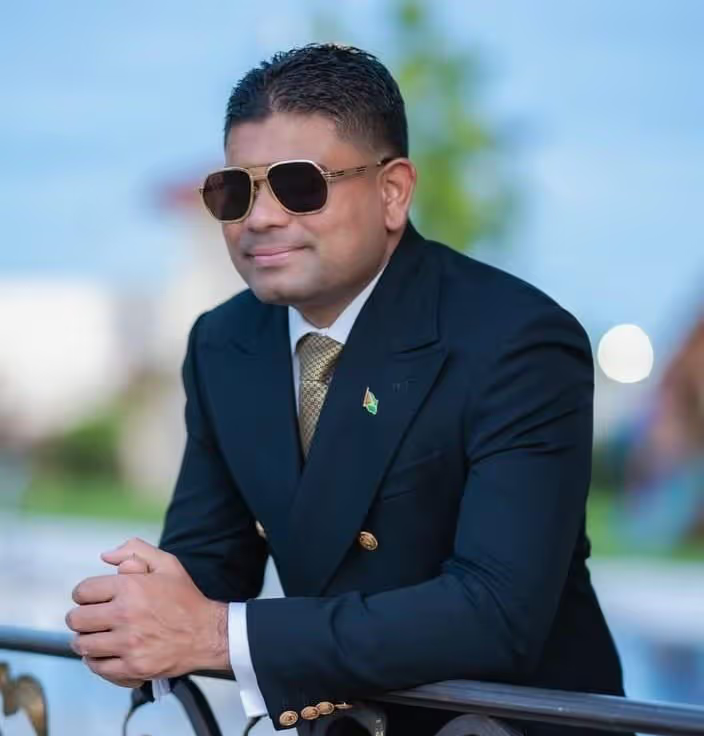
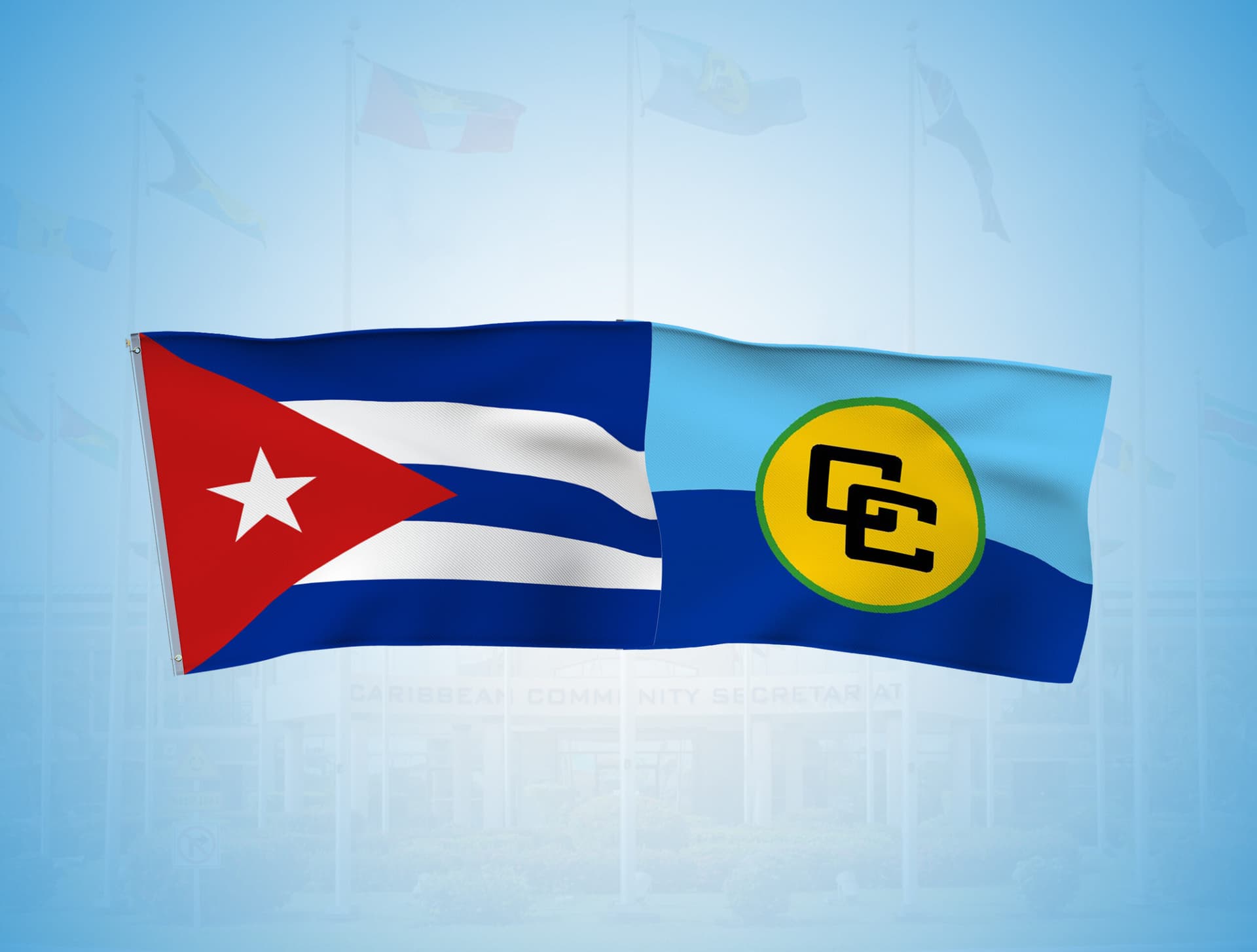
Trinidad and Tobago became the first Caribbean Community (CARICOM) country in decades to vote against a United Nations resolution calling for an end to the United States’ trade and economic embargo against Cuba, while Jamaica, Guyana and Haiti abstained.
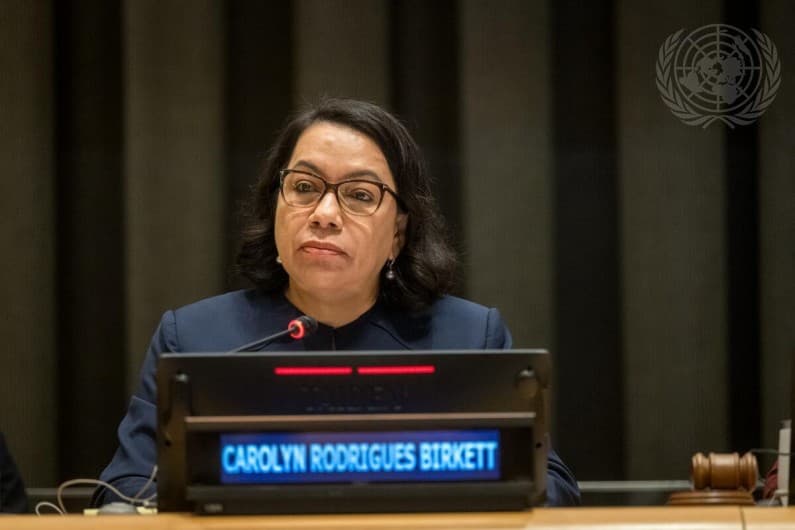
The resolution, which has been adopted annually by the UN General Assembly for decades, passed Wednesday by 130 votes to 17, with 25 abstentions. Last year, it received 165 votes in favour, seven against and 12 abstentions.
The vote reflected a decline in support for the resolution among countries in the Western Hemisphere and Europe, even as most CARICOM countries present backed it.
The Bahamas, Belize, Barbados, Grenada, St. Vincent and the Grenadines, St. Kitts and Nevis, and Suriname voted in favour. Antigua and Barbuda, Dominica and St. Lucia were absent when the vote was taken.
Jamaica’s Foreign Affairs and Foreign Trade Minister Kamina Johnson Smith said Kingston’s decision to abstain followed months of consideration and reflected a shift in the country’s approach to the issue.
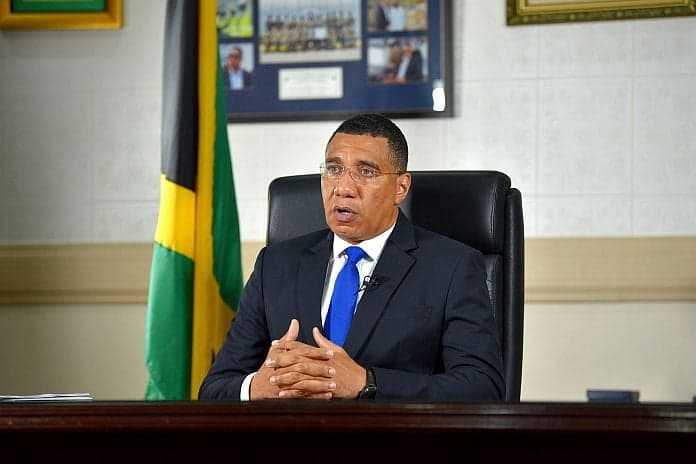
Speaking at a news conference, Johnson Smith recalled that Prime Minister Andrew Holness had raised concerns at a CARICOM summit in St. Kitts and Nevis earlier this year about the worsening humanitarian situation in Cuba and its impact on the wider region.
Holness reaffirmed Jamaica’s solidarity with Cuba while calling for dialogue between Havana and Washington, domestic reform and greater cooperation to improve conditions for the Cuban people.
Johnson Smith said she reiterated that position in Jamaica’s national statement at the UN General Assembly in New York, calling for reforms and Cuba’s greater integration into the international economic system.
“The suffering of the Cuban people is of deep concern to Jamaica,” she said, adding that policies should create pathways for progress and help address the humanitarian crisis rather than perpetuate isolation.
The Jamaican government also brought a motion on Cuba’s economic and humanitarian situation to Parliament on Tuesday. Johnson Smith said the motion took a broader approach than simply calling for an end to the embargo, addressing the welfare of the Cuban people, economic and institutional reforms, human rights and constructive engagement between Cuba and the United States.
She said Jamaica abstained because the UN resolution did not incorporate those broader considerations and offered no opportunity to amend its language.
“We did not vote against because we do not support unilateral actions in accordance with the UN Charter, and we did not vote for because it is clear that continuing to do the same thing each year, to support the resolution simpliciter, with not only no improvement in the circumstances – in fact, a deepening of the humanitarian crisis and suffering – does not serve the benefit of the Cuban people,” Johnson Smith said.
She added that Jamaica’s position reflected its view that multilateral institutions need reform to remain effective in a changing world.
In explaining the abstention at the United Nations, Johnson Smith also pointed to Jamaica and Cuba’s longstanding relationship, rooted in geographical proximity, historical ties and cooperation.
She said Cuba’s current challenges reflected both longstanding external economic restrictions, including the US embargo, and domestic economic policies and structural constraints that have limited productivity, investment and economic opportunity.
Jamaica believes improvements in the Cuban people’s welfare would require a more supportive international environment alongside reforms that encourage productivity, enterprise and investment, she said.
Johnson Smith also stressed the importance of fundamental rights and freedoms and said the welfare and aspirations of the Cuban people should remain central to efforts to address the country’s challenges.
She reiterated Jamaica’s call for constructive engagement between Cuba and the United States, grounded in mutual respect and peaceful dialogue, to reduce barriers to trade, finance and investment and support Cuba’s integration into the international economy.